50 Digital Loyalty Card Ideas: Rewards, Status, and Access
Explore 50 loyalty-card ideas drawn from real programs, including useful approaches to earning, tiers, family balances, sustainable actions, experiences, and digital card design.
Loyalty cards can make a wide range of behavior visible. Some are compact price keys. Others hold spendable value, recognize a household, reward a workout or recycled container, unlock an experience, or show status that matters across a partner network. The strongest programs make the card useful before the customer reaches a reward.
This review collects 50 ideas from real implementations with a customer-facing card, account, balance, or status view. Each source has a published earning or benefit mechanic that another program could adapt. Simple fixed-count stamp programs belong in our punch-card review rather than this list.
Find the loyalty model you need
- Everyday value at the point of sale
- Rewarding actions beyond spend
- Status, access, and identity
- Households and partner networks
- Experiences, choice, and long-term utility
What makes a loyalty card useful?
- The balances have distinct jobs. Separate spendable points, tier progress, store credit, and limited rewards.
- Earning rules are inspectable. Show what posted, what was reversed, and when pending value becomes available.
- The current benefit is close to the card. A member should not need to decode a tier name before checkout or arrival.
- Identity and value are recoverable. The account remains authoritative if a card is deleted, a phone changes, or a barcode is copied.
Everyday value at the point of sale
-
Starbucks Rewards: combine identity and stored value without confusing them. The app and card can identify the member, earn Stars, and pay from a separate loaded balance (program terms). A card should label loyalty currency and money as different balances.
-
Costa Club: accelerate the familiar reward for a preferred behavior. Members earn an extra Bean when they use a reusable cup (Costa Club). A bonus rate can move a habit without replacing the program customers already understand.
-
Caffè Nero: preserve the social value of a completed reward. Its app digitizes stamps and lets members send a completed card to a friend (app listing). Transfer the reward, not the member’s full account or live identity card.
-
Sephora Beauty Insider: show status and spendable value separately. The program has annual spend tiers, a points bank, cash rewards, rotating products, and experiences (benefits). A useful account view explains which activity maintains status and which balance can be spent.
-
Boots Advantage Card: let a recycling reward land in the existing currency. Members who deposit five approved empties and spend £10 receive 500 Advantage Card points (Recycle at Boots). An adjacent behavior is easier to adopt when it uses a familiar card and redemption path.
-
DSW VIP: make non-purchase earning visible. Members earn points for shoe donations, reviews, installing the app, and enabling notifications as well as purchases (VIP program). A transaction history should name these sources rather than lumping them into “bonus.”
-
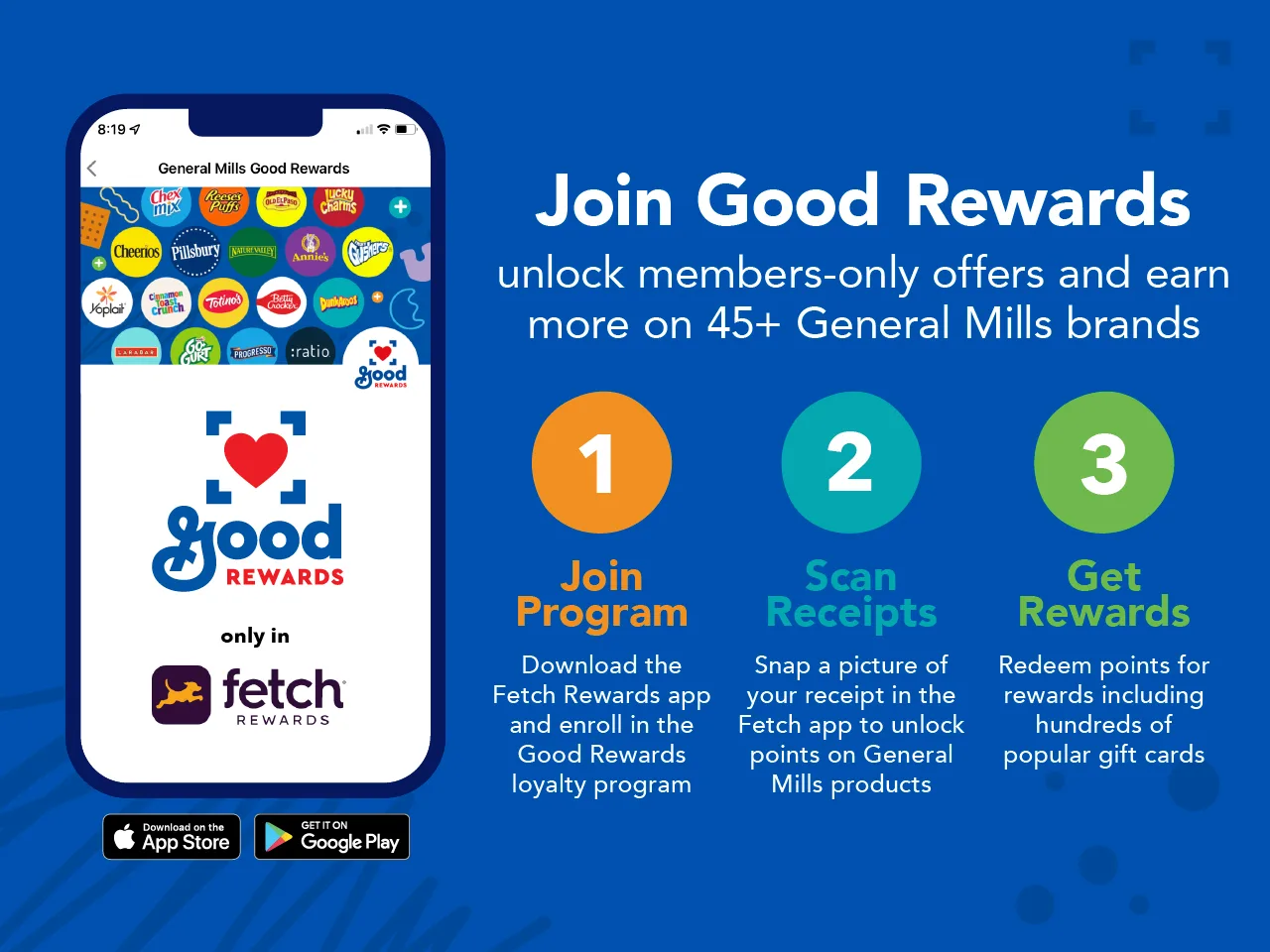
General Mills Good Rewards: follow the product across retailers. Members scan any grocery or retail receipt to earn through Fetch instead of using a card tied to one checkout system (launch announcement). Receipt verification can create a brand-level program when distribution is fragmented.
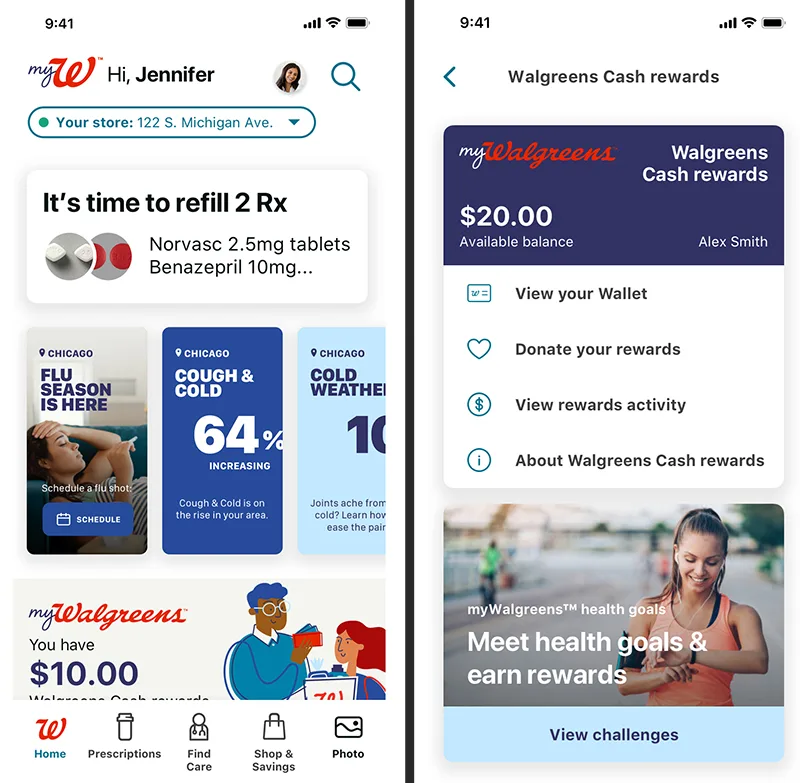
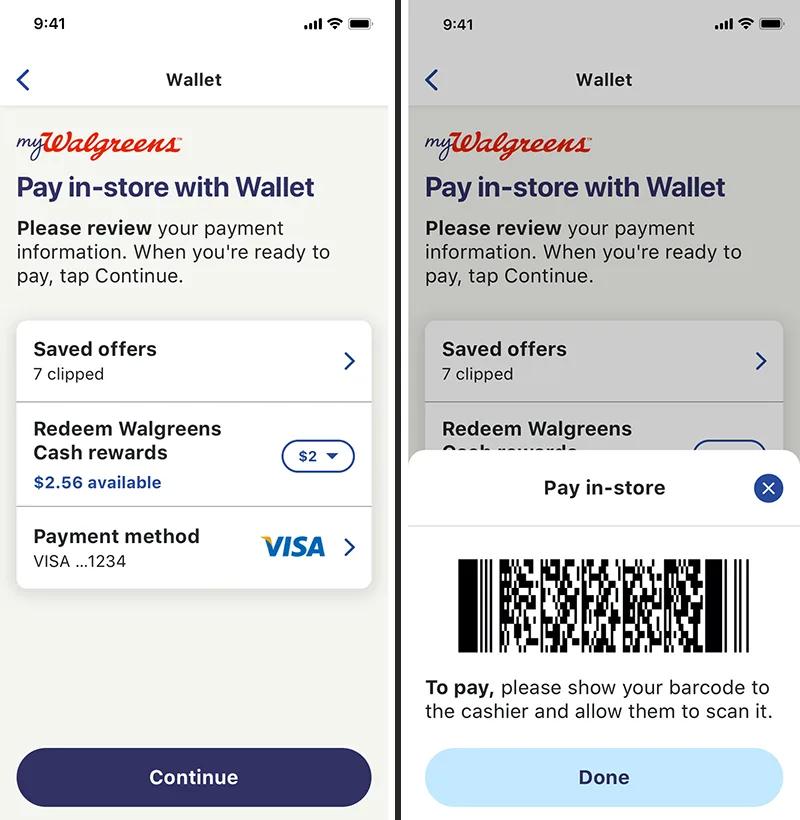
- myWalgreens: use plain monetary units at redemption. Walgreens Cash is redeemed in dollar increments rather than asking customers to translate an abstract point conversion (program overview). If a balance behaves like money, show its usable value prominently.
-
Tesco Clubcard: let the card act as both price key and reward account. Scanning identifies eligible Clubcard Prices while accumulated value can be turned into vouchers and partner rewards (Clubcard). A card can deliver immediate and deferred value without making every benefit a point.
-
IKEA Family: put protective utility beside discounts. Membership can include purchase history and accidental-damage protection during transport and assembly as well as member prices (IKEA Family benefits). A loyalty identity becomes more useful when it helps after checkout.
Rewarding actions beyond spend
- LEGO Insiders: award ownership even when the set was a gift. Adults can scan the QR code in building instructions to register eligible sets and earn points, including sets they already own (registration guide). Product registration recognizes engagement that a direct-sales ledger misses.
-
Gymshark Loyalty: let workouts contribute to retail status. Members can earn XP by logging workouts, shopping, and staying connected (program FAQ). A fitness brand can reward use of the category rather than only purchases of more gear.
-
Global Citizen Loyalty: treat civic actions as the earning event. Reading, learning, sharing, signing, and completing action journeys earn points and active-day status (program overview). The card can represent participation in a mission while still holding customer value.
-
UCL PlanetPoints: make the earn rate reflect carbon intensity. Campus purchases receive more points when Foodsteps classifies them in a lower carbon category (UCL program announcement). Explain the category behind a multiplier so the nudge remains understandable.
-
EcoSip: keep impact and rewards in the same record. A reusable-cup scan earns points while the member sees cups and estimated emissions saved (program overview). Parallel counters help distinguish the personal incentive from the collective result.
-
Takeback: credit the return that closes the loop. Returning a borrowed cup at any partner adds cashback to the customer’s wallet (how it works). In reuse programs, the completion event deserves the reward more than initial acquisition.
-
DSW VIP: let customers redirect a reward after earning it. Members may donate an unexpired DSW Reward rather than use it (rewards FAQ). Offer a donation route at redemption, where the value and tradeoff are clear.
-
Sephora Charity Rewards: make giving one option in the same catalogue. Beauty Insider has allowed points to trigger a donation to a featured charitable organization (program announcement). A cause reward works best as a deliberate choice, not an invisible default.
-
Wata: reward electricity generated during a workout. Users scan SportsArt Eco-Powr equipment, collect points from energy production, and can receive gym-specific rewards and status (program guide). The earning event can come from connected equipment rather than manual self-reporting.
-
Strider: turn movement into both personal and charitable value. The app connects recorded activity to brand offers and donations, while allocating part of its own revenue to charities (program overview). Keep the member’s reward and the program’s contribution separately attributable.
Status, access, and identity
-
Nike Membership: make the account useful without a points balance. Member value includes receiptless returns, eligible shipping, training, events, and product access (member benefits). A loyalty card can prove entitlement even when the program does not issue currency.
-
Kith Loyalty: show achievements beside points. The program uses progression and an achievements view to unlock product access and experiences (program overview). Named accomplishments can explain status better than a single lifetime number.
-
BOSS XP: let collectibles become access keys. BOSS and HUGO digital tokens can unlock vouchers, gifts, and experiences (BOSS Experience). A collectible should state the concrete entitlement it carries rather than rely on rarity alone.

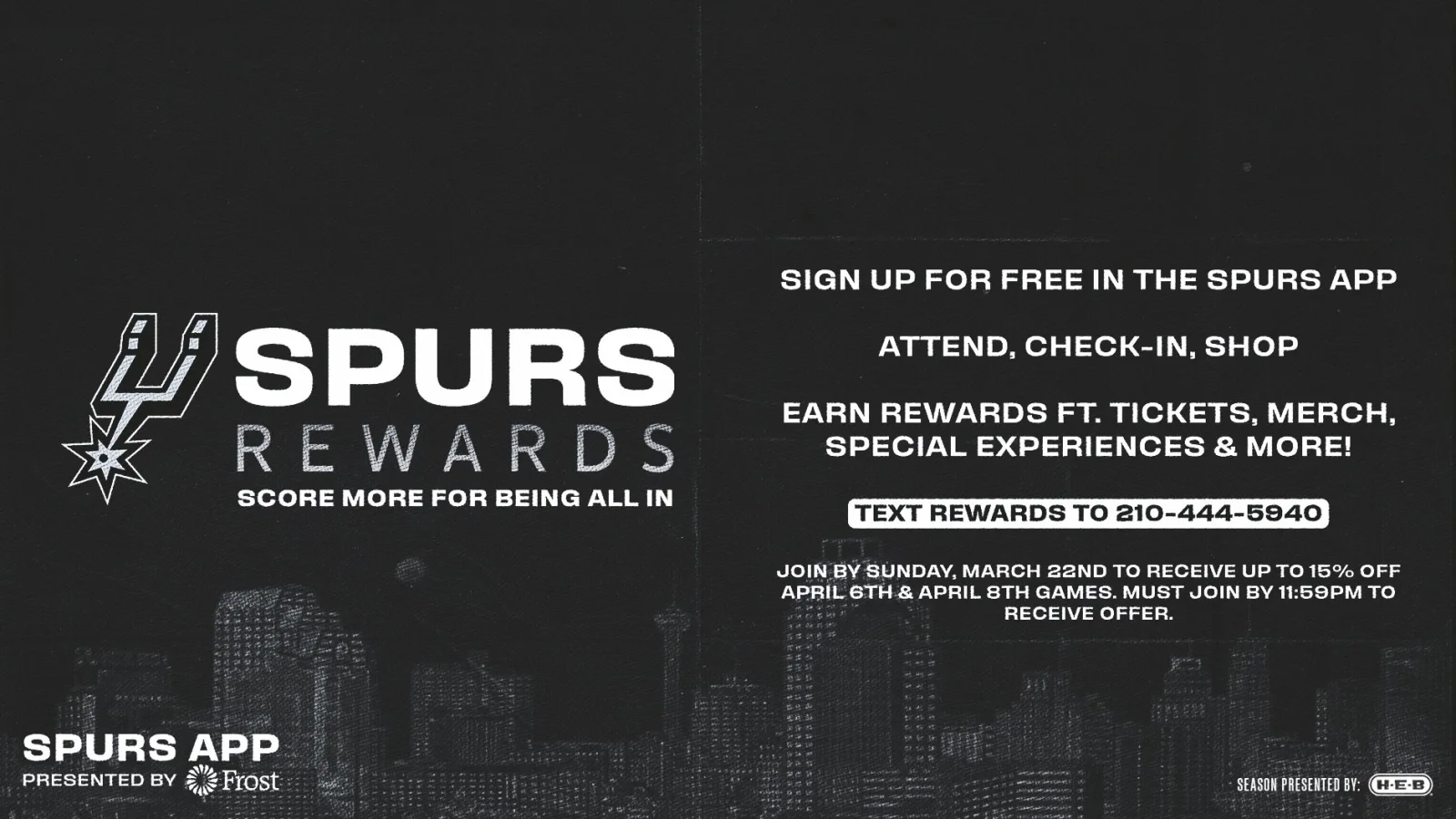
- San Antonio Spurs Rewards: reward arriving early. Fans can earn from attendance, early entry, event check-ins, purchases, and digital actions (team announcement). Teams can use loyalty to improve venue flow as well as spend.
-
Fanatics ONE: unify identity across different fan transactions. The program connects merchandise, games, tickets, live scores, and other Fanatics services (program overview). A broad ecosystem card should surface the benefit relevant to the member’s current context.
-
AIA Vitality: cap repeated activity rather than rewarding infinite logging. Its published structure limits exercise credit and links verified activity from devices and partner workouts to status (points table). Caps can protect the economics while encouraging a sustainable cadence.
-
TYR+: use progression language that fits the category. TYR describes its free program around commitment, performance, and access, while still publishing a straightforward earn and redemption rule (TYR+). The theme should clarify the system, not conceal the arithmetic.
-
Sephora Beauty Insider: make multipliers a tier benefit rather than a permanent inflation of currency. Higher tiers receive larger multipliers during specific events. Temporary rates should show their dates and affected balance in the activity view.
-
Qantas Green Tier: let a parallel status recognize different behavior. The program asked members to complete sustainable activities across several categories and choose a reward after qualifying (Qantas fact sheet). A side tier can acknowledge behavior that does not map cleanly onto spend or flight frequency.
-
365 Challenge: favor a yearly target over a fragile daily streak. Strava activities contribute to a 365-point annual goal, with monthly caps and different rates for activity types (official rules). Long-window progress can support consistency without punishing one missed day.
Households and partner networks
-
United MileagePlus: pool value without merging identities. One adult leader can invite up to four other members to contribute miles to a shared pool while everyone retains an individual account (pooling guide). A shared balance needs clear contribution and redemption authority.
-
Air India Maharaja Club: make the administrator explicit. Its Family Pool can contain up to eight members and assigns management to a Family Head (terms). Household programs should show who may invite, remove, and spend.
-
Emirates Skywards My Family: let contributors choose how much to share. Eligible members can direct a percentage of earned Miles into a family account (My Family). A configurable contribution respects individual travel while building common value.
-
JetBlue Points Pooling: separate the pool leader from the contributors. The model brings several members’ points together under published pool rules (program guide). Use roles and a visible ledger rather than treating the family card as one person’s account.
-
British Airways Household Accounts: include young travelers without losing individual earning. A household can combine Avios while members retain their own Club accounts (Household Accounts). A family view can aggregate spendable value without erasing each traveler’s status.
-
Nectar: make a coalition card explain both sides of every partner. Members collect and spend across a network of retailers and services (program guide). The card details should distinguish earn-only, spend-only, and fully reciprocal partners.
-
PC Optimum: connect high-frequency categories under one identifier. The program spans grocery, pharmacy, fuel, and personalized offers (PC Optimum). A coalition becomes more useful when one current balance works across routines rather than novelty partners.
-
Everyday Rewards: let members choose the destination of accumulated value. Woolworths’ program can turn points into shopping value or eligible airline rewards (program options). Show the current choice and conversion rule before the transfer happens.
-
Swera: verify the product attribute before issuing cross-network currency. Certified sustainable purchases earn points that can be spent on transport, charging, and mobility services (program overview). A partner currency needs a defensible qualification rule as well as a broad catalogue.
-
Journey Rewards: let independent hotels share status without pretending to be one chain. The network connects boutique hotels and residences under common status-based rewards (Journey). A coalition card can preserve each property’s identity while making recognition portable.
Experiences, choice, and long-term utility
-
Sephora Rewards Bazaar: make scarcity inspectable. Rewards arrive in a rotating catalogue that includes samples, bundles, events, and high-value experiences (program terms). Limited rewards need clear availability and point deduction timing.
-
Sephora birthday rewards: offer a choice between object and currency. Eligible members can select from current gift sets or choose points under the published redemption rules (2026 gifts). Choice makes a calendar benefit useful to more members without hiding its constraints.
-
Nike Membership: put local events in the member surface. The Nike App exposes an Events tab for in-person and online member experiences. A digital card can link to nearby value that cannot be represented as a balance.
-
Kith Loyalty: reserve some value for access rather than discount. Points and status can open early product access and member experiences. Programs serving scarce products should show eligibility and allocation separately.
-
Fanatics ONE: connect loyalty to live context. Scores, tickets, merchandise, and free-to-play games sit inside the same fan product. A current event can reorder the card’s useful actions without changing the member identity.
-
Pets Place: use a wallet pass to remove lookup friction. The retailer replaced manual email entry with a Google Wallet pass and used targeted pass messages to bring members back to stores (Google Wallet case study). A loyalty card earns its place by making recognition faster even before a reward is redeemed.
-
myWalgreens: keep digital receipts attached to the member record. The app stores transaction history alongside offers and rewards (program FAQ). Returns, warranties, and expense tracking can create recurring utility after the purchase.
-
General Mills Good Rewards: let rewards work where customers already shop. Receipt scanning avoids requiring one participating chain. A manufacturer program should optimize for recognition across channels rather than forcing a new checkout ritual.
-
Global Citizen: sell recovery inside the program economy. Members can spend points on a Rest Day that preserves an action streak. If a streak is central, a published recovery mechanic is kinder and more transparent than an exception granted by support.
-
LEGO Insiders: make old ownership newly useful. Eligible instruction QR codes allow previously owned sets to join the current account. A loyalty relaunch can invite history in through verifiable artifacts instead of pretending every member starts at zero.
Ten patterns worth borrowing
- Separate spendable value, tier progress, store credit, and recognition.
- Let the card identify the member quickly even when no reward is ready.
- Name the source of each earn, reversal, expiry, and adjustment.
- Reward category use, care, reuse, or participation when those behaviors matter more than another purchase.
- Give experience and access rewards a clear date, capacity, and claim state.
- Pool value through roles and ledgers rather than shared passwords.
- Explain what each coalition partner allows: earn, spend, recognition, or all three.
- Keep receipt history, recovery, and service tools close to the card.
- Let members choose between materially different rewards when one catalogue cannot fit everyone.
- Treat points as a liability backed by published rules, not decorative engagement confetti.
Choose the right loyalty model
| Model | Best when | Main design requirement |
|---|---|---|
| Spendable points | Purchases vary in value and rewards have prices | Clear earn, spend, reversal, and expiry ledger |
| Tier status | Recognition and access grow with sustained activity | Separate annual progress from spendable value |
| Coalition currency | Several partners can fund and fulfill rewards | Partner scope and conversion rules |
| Household pool | Value is earned individually but used together | Roles, contributions, and redemption authority |
| Entitlement membership | Utility matters more than points | Current benefits, identity, and service history |
| Impact rewards | A verified behavior should change | Qualification method and outcome reporting |
An Apple Wallet or Google Wallet card works well as the small, current view of a loyalty account: member identity, usable balance, tier, next reward, and a scan identifier. Keep the transaction ledger and qualification rules in your own system so refunds, corrections, transfers, and expired rewards remain auditable.
For implementation, read how to build a loyalty program or explore the digital loyalty card use case.
Frequently asked questions
What should a digital loyalty card show?
Show the member name or identifier, current usable value, tier or entitlement, and the next meaningful action. Put detailed earning rules, transaction history, partner terms, and support routes in the details view or linked account. Avoid combining several balances into one unexplained total.
Are points and tiers the same thing?
They should usually be separate. Spendable points fall when a reward is claimed; tier progress normally measures activity during a qualification period and should not fall because the member used a benefit. Showing both prevents a redemption from looking like lost status.
Can a loyalty card work across several businesses?
Yes, provided the program publishes where value can be earned, spent, and recognized. The shared ledger must identify which partner funded each earn and redemption. A coalition card is convenient for the member but requires clearer settlement and support rules behind the scenes.
Does every loyalty program need points?
No. Receiptless returns, current benefits, access, service history, personalized prices, or event eligibility can make a member identity useful without a currency. Add points only when accumulating and spending value supports the behavior the program is meant to change.
Build your first wallet pass
Turn one JSON request into a pass that installs in Apple Wallet and Google Wallet, with live updates that reach both.