50 Punch Card and Stamp Program Ideas
Explore 50 ideas drawn from real punch cards, stamp programs, visit passes, and passports, with practical lessons for rewards, progress, sharing, and verification.
The most interesting punch cards do more than count purchases. They can make a reusable cup more rewarding, turn occasional museum visits into a habit, sell a flexible bundle of studio hours, or guide someone through a network of parks and independent businesses. The useful design question is what a completed sequence should mean, rather than how to draw ten empty circles.
This review collects 50 ideas from real programs built around discrete, visible progress. It includes paper cards, physical passports, digital check-ins, wallet passes, and hybrid programs because the mechanic matters more than the medium. Each example records purchases, visits, sessions, or actions as stamps, punches, check-ins, or comparable marks. Conventional points programs without a clear sequence are covered separately in our loyalty-card review.
Find the mechanic you need
- Purchases with a finish line
- Flexible visits and prepaid sessions
- Better habits and public participation
- Trails, passports, and multi-place challenges
- Learning, culture, and community
What makes a punch card useful?
Before borrowing an idea, check four things:
- The earning action is unambiguous. A customer and staff member should agree on what earns one mark.
- Progress is readable. Show the current count, target, and next reward in the same view.
- The completion state changes. A full card should become a redeemable reward, entry, status, or finished collection rather than ten decorative icons.
- The record can be trusted. Staff validation, a paid-order event, location check, or another controlled action should award the mark.
Purchases with a finish line
-
Frau Bauch: award progress by spend rather than transaction. The German retailer gives one digital stamp for every €25 spent and turns a full card into a 10% discount, then resets it (Passcreator case study). Spend thresholds suit shops where basket values vary too much for every visit to count equally.
-
7-Eleven car washes: give the free reward its own deadline. Its digital car-wash card grants the fifth wash after four purchases within 90 days, then keeps the free wash valid for 30 days (program guide). Separate earn and redemption windows make both expectations visible.
-
Camps Car Care Club: let staff keep the card while the customer receives the benefit. The car wash describes its program as a virtual punch card whose visits are tracked by the business, with a birthday wash among the benefits (program overview). Server-side progress is useful when the customer should not have to present a card before every machine-led service.
-
The Cat Rental Store: count contracts instead of low-value retail purchases. Finning Canada’s program earns digital stamps from equipment rental contracts and stores the card in Apple Wallet or Google Wallet (program page). Punch mechanics can fit infrequent, high-value B2B activity when the earning unit is concrete.
-
PIBÄ International Day: turn every stamp into a second kind of chance. Restaurant purchases earned stamps and each stamp also became an entry in a live drawing for a trip to another PIBÄ location (campaign case study). One verified action can advance a guaranteed reward and a time-limited prize.
-
Cornell Dining: connect the reward to the behavior being encouraged. A reusable-container purchase starts a beverage punch card, subsequent reusable drink purchases fill it, and completion earns another drink (Beverage Rewards Program). The reward stays inside the lower-waste habit rather than pulling customers back toward disposables.
-
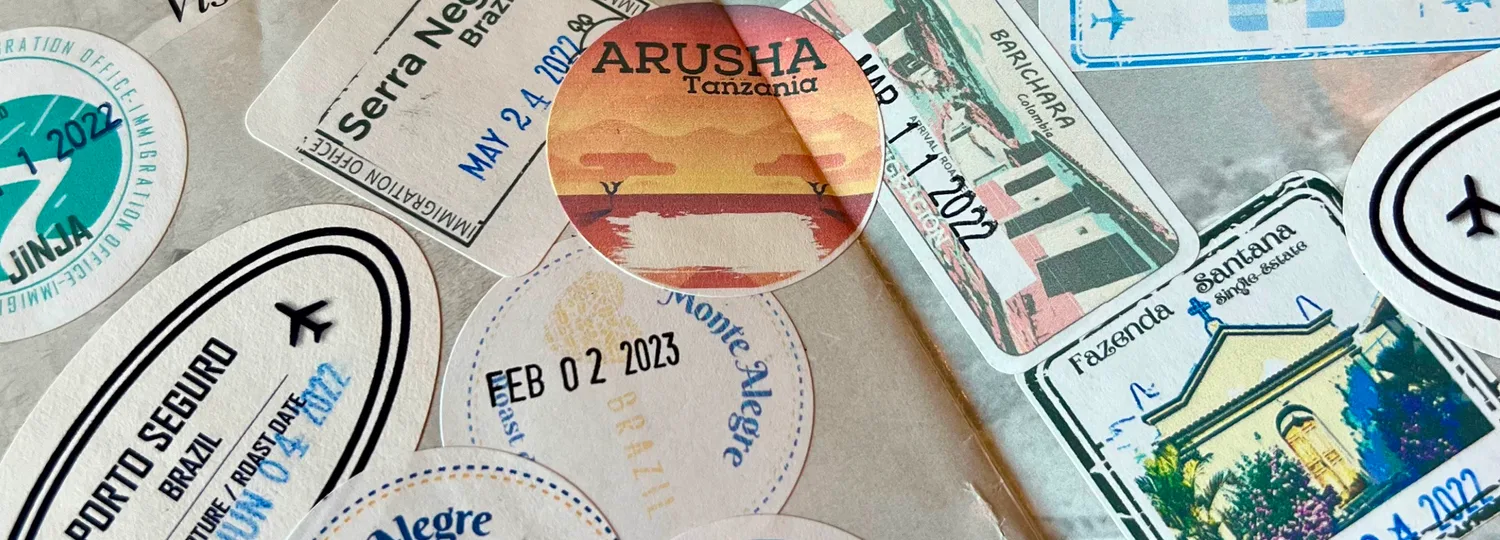
Boarding Pass Coffee: make each product variant a collectible mark. Its first bag includes a passport; every origin adds a country-themed sticker and postcard, and 25 stamps unlock a surprise (Passport Program). A collection can reward breadth of discovery instead of repeated purchase of the same item.
-
Southwest Florida Ale Trail: let the first stamp unlock later value at the same stop. A first purchase at a participating brewery earns its stamp and opens two future buy-one-get-one offers there (passport rules). The card creates a reason to explore and then a reason to return.
-
Downtown Parker: prevent one large basket from filling a local-business card. Each participating business can stamp the passport once after a $20 purchase, and ten distinct stamps qualify for a prize drawing (Winter Passport). A per-merchant limit keeps a district campaign focused on cross-shopping.
-
Capital Craft Beverage Trail: keep proof of completion detachable. A purchase earns one stamp on the producer page and another on a perforated redemption sheet that can be photographed for prize fulfillment (2026 Passport). A digital equivalent can separate the collection from the claim token.
Flexible visits and prepaid sessions
-
Radius Art Studio: sell time in meaningful blocks. Its clay-studio punch cards contain six, 12, or 24 two-hour open-studio blocks, with the per-hour price falling on larger cards (membership options). Show both sessions and hours when one punch represents more than one clock hour.
-
Vibe Coworks: make a visit bundle a middle option. Its 10-, 15-, and 25-visit Punch Passes provide full-day access for 12 months without a monthly membership (Punch Passes). A counter can bridge the gap between occasional drop-ins and recurring subscriptions.
-
Common Desk: keep the saving legible. Its ten-visit bundle costs the equivalent of eight standard day passes, with uses stored in the customer’s account (Day Pass Bundle). Put the effective per-use price on the purchase screen, while the card itself should emphasize uses remaining.
-
IBEX Climbing Gym: remove urgency when the service has no inventory deadline. Its five- and ten-visit punch passes do not expire (Punch Passes). Expiry should solve a real operating problem rather than manufacture loss.
-
Junction Climbing: define a controlled shared pool. A purchaser can add other named people to a punch-pass pool, and eligible pool members can share punches with a guest at the facility (Punch Passes). A household or team balance is clearer than circulating one anonymous card.
-
ASCEND Climbing: let a shared pass work across locations. Its ten punches can be used at every ASCEND location and shared with friends, with no expiry (admission guide). A digital card should state the location network and sharing rule on the front or details view.
-
HiClimb: attach eligibility to a discounted bundle. The Hawaiʻi resident and military six-punch pass requires qualifying ID and expires after six months (kamaʻāina rates). Store the entitlement type with the balance so staff know why the rate applies.
-
Paso Robles Children’s Museum: offer a finite visit product beside annual membership. Families can choose a ten-visit punch card instead of unlimited annual access (admission options). A visible remaining-visit count helps customers compare which model fits them.
-
Greenglade Pottery Studio: use the same counter for two bundle sizes. Its member-only studio offers ten- and 25-punch packs for reservable practice blocks (program guide). The card can carry eligibility, remaining sessions, and the booking link without becoming the booking system.
-
PunchCard for service providers: pair each deduction with the next appointment. The app tracks session bundles for trainers, tutors, massage therapists, and other providers, then adds scheduling and reminders (Google Play listing). A prepaid counter is most useful when it also leads to the next use.
Better habits and public participation
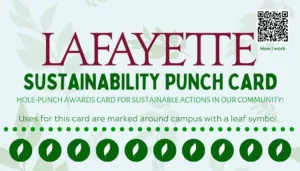
- Lafayette College: award different weights for different sustainable actions. Bringing a mug earns one punch, shopping at the campus thrift store earns two, and volunteering can earn three (Sustainable Punch Card). A stamp card can stay simple while recognizing that not every action asks the same effort.
-
Lafayette College: make one sequence support several reward tiers. Half a card earns a small item while multiple completed cards unlock progressively larger reusable products. Milestones prevent a long sustainability program from feeling all-or-nothing.
-
EcoSip: show impact beside the reward. Customers scan a reusable cup to earn points while the same account reports cups saved and estimated carbon avoided (program overview). A behavior card becomes more credible when it preserves both the personal benefit and the outcome.
-
Takeback: reward the return, not the borrow. The reusable-cup network adds cashback only after a cup is returned at a partner location (how it works). For circular systems, progress should close the loop rather than stop at checkout.
-
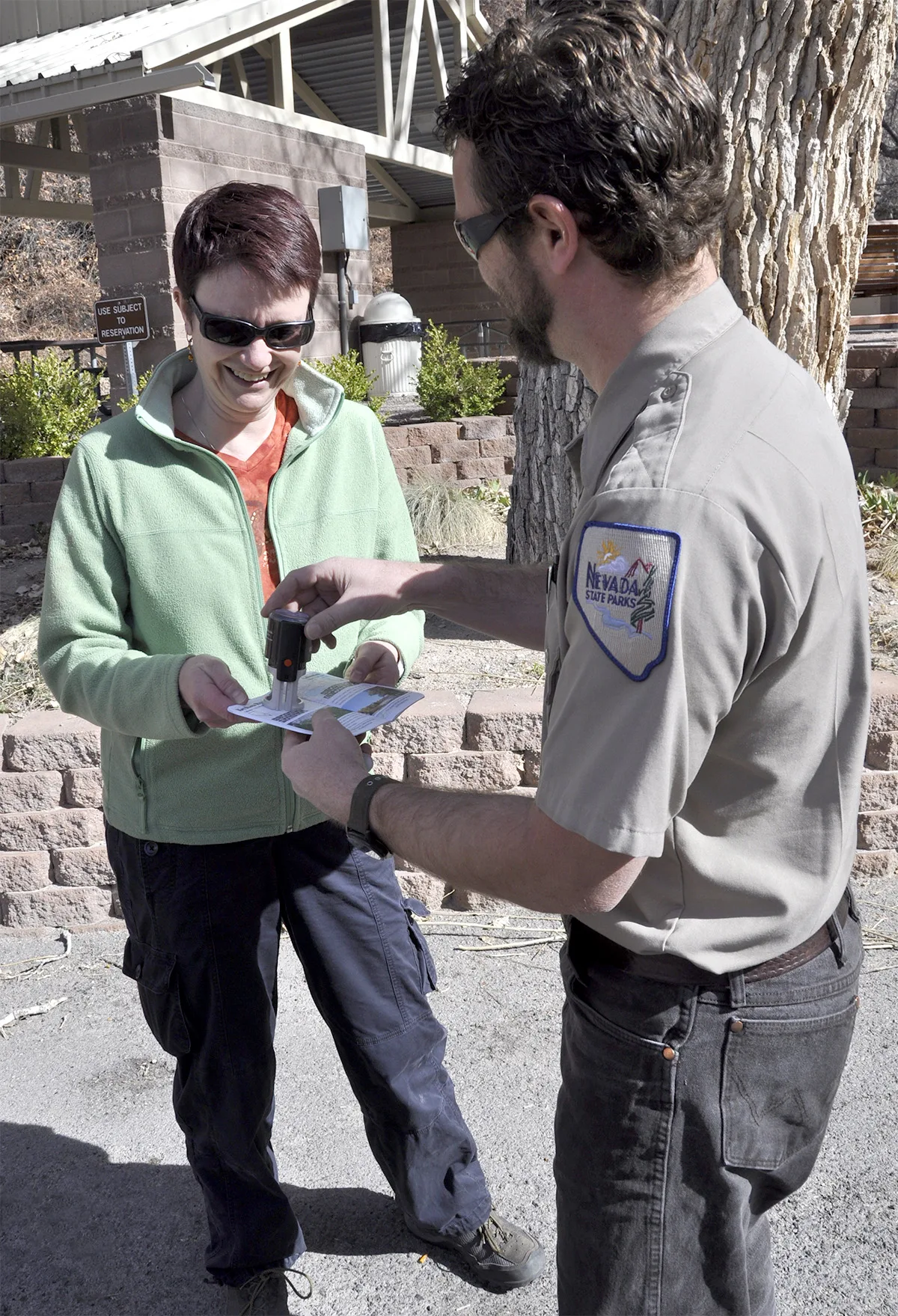
Nevada State Parks: verify a digital stamp by place. The OuterSpatial app checks that a visitor is inside a park before adding the official digital stamp; 15 different parks earn an annual pass (Passport Challenge). Location validation is appropriate when physical presence is the achievement.
-
California State Parks: let completion remain open-ended. Its digital passport spans more than 200 parks and awards a badge for each visit (launch announcement). A large collection can emphasize exploration and status even without one final coupon.
-
National Park Service: provide digital marks when a physical desk is not available. National Historic Trails can offer downloadable digital passport stamps alongside the locations listed in the NPS app (program guide). A remote or unstaffed site needs a recovery route that does not depend on a rubber stamp.
-
South Dakota State Parks: put stamps somewhere visitors can reach after hours. Fitness Passport locations use stamp lockboxes and award prizes at multiple completion levels (challenge guide). A physical program can borrow self-service availability from digital check-ins.
-
Global Citizen: count active days rather than raw clicks. Its loyalty program bases status on action across the last 30 days, adds streaks and badges, and unlocks stamp-card access at higher levels (program overview). A rolling window rewards continued participation instead of one burst.
-
UCL PlanetPoints: vary progress by measured impact. Campus food earns more points when its carbon category is lower, with rewards including meals, coffee, and partner offers (UCL announcement). A simple progress surface can sit on top of more thoughtful qualification rules.
Trails, passports, and multi-place challenges
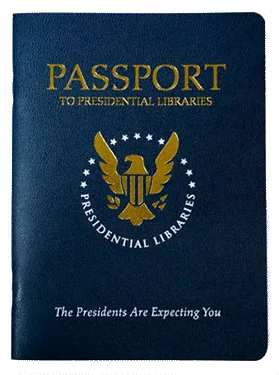
- Passport to Presidential Libraries: make the finished card a durable record. Visitors collect a distinct stamp from each participating library and receive a commemorative token after completing the network (National Archives). The collection itself can be as important as the final reward.
-
Kentucky Coffee Trail: put an independent-business trail in one digital card. Its app tracks café stops, collects stamps, and unlocks rewards across the state (official passport). A shared pass gives small operators a product none could create alone.
-
Flagstaff Brewery Trail: offer two ways to prove presence. Digital stamps can be claimed through an on-site geotag or a submitted selfie, and no purchase is required (trail guide). A fallback matters when location services are unreliable or inaccessible.
-
Shenandoah Beerwerks Trail: choose a partial-network finish line. Eight stamps from 19 breweries earn the commemorative shirt (passport). Requiring variety without requiring every location makes a regional challenge achievable.
-
Fredericksburg Area Beer Trail: let several milestones share one card. Five brewery stamps unlock one prize, while completing the larger set unlocks another choice (FAQ). Early recognition helps a long trail retain participants.
-
Bend Ale Trail: let participants choose paper or digital check-in. The same trail supports a stamped passport and a mobile route (official trail). Format choice can broaden access without changing the qualifying experience.
-
Nova Scotia Good Cheer Trail: combine a guaranteed reward with a draw. Fifteen digital stamps earn a shirt and also create a grand-prize entry (digital passport). The guaranteed milestone gives the card value even when the larger prize is scarce.
-
Columbus Ale Trail: make enrollment available at every participating stop. Visitors can pick up the free passport at any brewery, then earn a stamp after a purchase (trail guide). Distributed enrollment keeps the organizer from becoming a bottleneck.
-
Explore Boulder City: use the card as a local-economy map. Twenty different business stamps qualify a visitor for locally funded gift-card drawings (city program). A citywide card should expose participating places and progress together.
-
Wellington County Farmers’ Market Passport: allow evidence from markets in neighboring places. The 2026 challenge asks visitors to collect market stamps and supports a photo or QR route (official passport). Cross-jurisdiction programs benefit from a common verification pattern.
Learning, culture, and community
-
Santa Cruz Museum of Art and History: test the finish line before digitizing it. Its Five Fridays card offered a year of membership after five selected visits, but only 17 of 500 recipients completed it (IMLS case study). A low completion rate is a reason to revisit timing, relevance, and follow-up, not merely replace paper with an app.
-
ICA Philadelphia: let repeated public visits graduate into membership. Five exhibition visits or program attendances earned a one-year anniversary membership (ICA@50 challenge). The reward can formalize an emerging relationship rather than discount the next transaction.
-
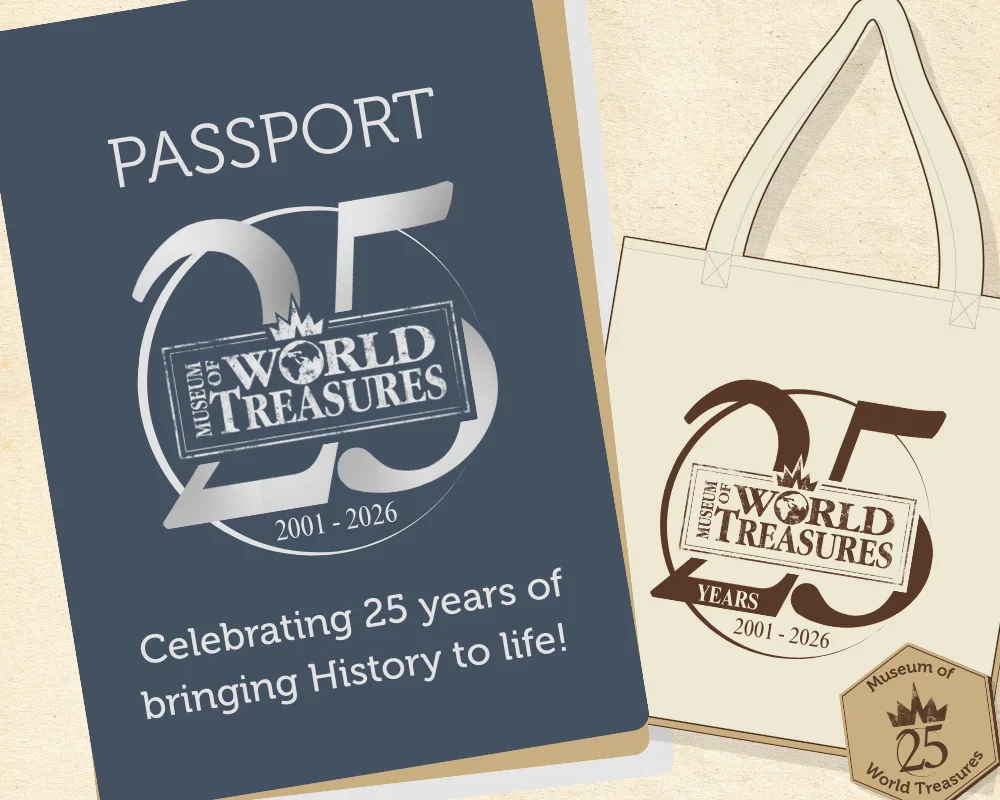
Museum of World Treasures: give the first stamp immediate meaning. Its anniversary passport starts with a tote and pin, then eight visits, programs, or events create an entry for a 25-year membership (Passport Program). An early tangible moment can establish the collection before the long goal.
-
Seward Memorial Library: count days for children and books for teens. Young readers complete seven-day cards, while older readers receive one punch per finished book (reading challenges). The earning unit should match the behavior appropriate to each audience.
-
William Jeanes Library: make each mark represent a different challenge. Its adult card includes 12 tasks such as reading a translated book, using an e-audiobook, and borrowing from the Library of Things (Winter Reading Challenge). Variety can turn a punch card into a guided tour of underused services.
-
Museums on Main Street: keep the operational record behind the card. Its social-impact toolkit suggests a three-visit punch card while separately tracking visits and survey completion (MOMSI toolkit). The participant’s progress view should not be the only source of truth.
-
Nevada State Parks: let a card double as a guide. Both the booklet and app include park descriptions, photos, and amenities alongside stamps. The strongest passport helps someone decide where to earn the next mark.
-
Boarding Pass Coffee: attach a story artifact to each stamp. A matching postcard accompanies every country-of-origin sticker. Digital cards can preserve the small story behind a mark instead of showing only a filled dot.
-
National Archives: refuse retroactive stamps to protect the collection’s meaning. Presidential Library stamps are issued during the visit rather than by mail after the fact. A program should publish how corrections work without turning an honor system into an arbitrary one.
-
South Dakota Fitness Passport: make the reward ladder visible from the beginning. Participants can claim as soon as they reach each published prize level instead of surrendering all progress for one terminal reward. Digital punch cards can preserve completed milestones while the larger journey continues.
Ten patterns worth borrowing
- Count a product, visit, session, place, or action that both sides can verify.
- Show uses remaining for prepaid packs and progress completed for earned rewards; those are different mental models.
- Give long cards intermediate milestones.
- Let a first completion graduate into membership, status, or another longer relationship.
- Use distinct stamps to make variety visible rather than repeating one icon.
- Keep earn deadlines, reward deadlines, and card expiry separate.
- Name where a shared or multi-location card works.
- Support controlled household or team pools instead of one copied credential.
- Put maps, booking links, or the next suggested stop beside progress.
- Keep the transaction or attendance ledger authoritative even when the card is deliberately simple.
Choose the right counter
| Model | Best when | What the card should emphasize |
|---|---|---|
| Earned punch card | Similar purchases or visits lead to a reward | Current count, target, and reward |
| Prepaid visit pack | A customer buys a finite service allowance | Uses remaining, expiry, and booking route |
| Passport or trail | Different places or activities form the collection | Completed and available stops |
| Weighted action card | Actions vary in effort or impact | Mark value and milestone progress |
| Rolling streak | Consistency matters more than lifetime total | Active window, current streak, and recovery rule |
For a digital version, keep the counter in your own system and use an Apple Wallet or Google Wallet pass as the current customer view. A verified purchase, staff scan, attendance event, or location check should change the record first; the same installed card can then update its progress, reward state, and next useful action.
When you are ready to implement one, read the punch card software guide or explore the digital punch card use case.
Frequently asked questions
How many punches should a card have?
Use the shortest sequence that fits the economics and gives a typical customer a credible path to completion. A ten-step card is not inherently better than five steps. Estimate the normal time between qualifying actions, then test whether a new participant can reach the first meaningful milestone before interest fades.
Should a prepaid pack look like a reward card?
Not quite. A prepaid pack should lead with uses remaining because each punch consumes value the customer already owns. An earned reward card should lead with progress completed and what unlocks next. Both use counters, but reversing the language can make a prepaid customer feel that value is being taken away without context.
Can punches be shared?
They can when the program deliberately supports a household, team, or guest pool. Name the eligible people and apply each use to one shared ledger. Avoid making an individual QR code casually transferable, since screenshots make the current balance and redemption state difficult to trust.
Does a digital punch card need an app?
No. A card can live in Apple Wallet, Google Wallet, or a mobile web page and be delivered from a link or QR code. A dedicated app becomes useful when the program also needs maps, bookings, community features, extensive collections, or offline location content.
Build your first wallet pass
Turn one JSON request into a pass that installs in Apple Wallet and Google Wallet, with live updates that reach both.